A few things in this world are widely accepted as true. The importance of water is one of them. Nevertheless, do we know enough about it?
This article is a literature review of water. This review's primary purpose is to show, clearly and directly, the importance of water regarding its physiology and quality in different aspects of human life.

There is no doubt that water is an essential element for all living beings. It is well known that it represents about 60% of an adult's body weight.
As Doctor Lair Ribeiro usually says, water is the principal element in God's pharmacy. It is natural, and it is everywhere. Moreover, God does not do anything without a purpose.
Water Composition: A Quick Overview
In its chemical composition, water consists of one oxygen atom and two hydrogen atoms bonded covalently. A covalent bond forms when there is no loss or gain of electrons, resulting in a neutral and stable molecule.
Water is a polar compound. If you remember well from your chemistry classes, you know a polar compound can dissolve another polar compound. You probably also remember that water is a universal solvent.
Salts and minerals such as magnesium, calcium, potassium, sodium, and zinc are also present in water. The exact amount of minerals and which minerals are there will depend on the origin of the water. These minerals are essential aspects of the quality of the water you drink and will be discussed later in this article.
A mineral occurs naturally, but living beings do not produce it. Minerals are usually found in the form of crystals in nature.
Why is Water so Important?
Water is present in every function our body performs. Scientists have been fully aware of its critical role in our body for years. Water is essential to transport nutrients, minerals, and oxygen in our organism. In addition, water is a lubricant to our organs. Nowadays, water is also perceived as a nutrient. Besides, it is present in all human body secretions. As surprising as it may seem, water is also present in our bones.
We would need to be very naive to underestimate the importance of water in our organism. Some well-known water functions in our body are the importance of maintaining our body temperature, its intervention in our digestive system, and its role in the processes of absorption, metabolism, and excretion. However, there is so much more to add! These are already essential factors to convince anyone to drink more water. However, that is not all.
Water is crucial for each of our organs to function properly. For example, we need water for our brain's performance. Similarly, dehydration in the brain can lead to memory damage, and even affect our visual-motor skills. In the same way, other harmful effects could be described here, associated with the deprivation of water in other organs.

The Fountain of Youth
We all have different amounts of water inside our bodies. One crucial factor which influences this is our age. A newborn is composed of more water than an adult. We lose water as we age.
Hydration is crucial in any beauty routine. It keeps us young longer.
Remember it, ladies! Water is your best ally to have great skin. It helps to avoid signs of aging such as wrinkles. Water is, indeed, the most abundant and cheapest way to nourish your body.
If you add water to your beauty routine, it will hydrate your skin (and all other organs) and aid the organism in nutrient absorption. Water is the closest we have today to a fountain of youth.
Water As an Ally in Treatment for Diseases
Besides, for the sake of this article, we will focus on how water can help in a few specific health situations:
Allergy and Asthma
Although the lack of water may not be the central aspect causing asthma, it may play an important role. In an asthma crisis, there is a release of histamine.
Histamine is a common chemical substance responsible for causing allergy symptoms such as sneezing and a runny nose, and it is involved in immune responses that cause inflammation. The more histamine is released, the more allergic you feel.
According to studies, dehydration is one of the causes of the release of histamine in our bodies. Furthermore, hydration is the best natural antihistamine available! Next time you fear an imminent asthma crisis or allergy, try drinking 3 to 4 cups of water. It is natural, and it is cheap. Why not try it?
Constipation
Educate yourself to drink a cup of water in the morning before eating anything. Try to drink more water during the day (6 to 8 cups of water). Let the result speak for itself.
Chronic pain
Water can be your ally against chronic pain. Many doctors agree that dehydration is a top trigger of chronic pain such as migraine and fibromyalgia.
If you do not drink enough water, chances are your electrolytes are diminished and that there is an inadequate replacement of lost fluids in the body, causing migraines. Besides, the lack of water increases the viscosity of the blood, negatively affecting circulation and causing headaches.
In addition to that, the lack of water can also be responsible for several types of pain people feel. Studies suggest that a substance called "P substance" stimulates receptors of pain in our body in cases of fibromyalgia. P Substance is a neurotransmitter. The more substance P we have, the greater our perception of pain.
Histamine may also play an essential role in fibromyalgia. Histamine can be secreted by some immune cells in an inflammatory response. It comes as a response against an allergen or any immune stressor. The high release of histamine in the brain leads to chronic fatigue, insomnia, and well-known fibromyalgia symptoms. Please note that histamine is responsible for releasing substance P and glutamate, causing oxidative stress; leading to chronic pain. Therefore, an increase in histamine can increase substance P, responsible for the exaggerated pain felt in fibromyalgia.
If you are dehydrated, your body may release more histamine. We can not state that dehydration is the leading or only cause of fibromyalgia. However, chances are you will feel better drinking more water. Furthermore, if dehydration is the cause of your fibromyalgia, you could get rid of the pain once and for all. The same holds for any chronic pain. Are you drinking enough water?
As discussed here, drinking water properly can be your ally in fighting chronic pain symptoms. Drinking water will not only ease your tissues but also avoid the pressure on your spinal nerves. Remember, water is also present in your intervertebral discs. If you drink enough water, chances are your intervertebral discs will not shrink (which would cause you pain because of the pressure on your spinal nerves).
Let us make it clear that we are not here to suggest you leave any treatment behind. In any situation, you should always look for good medical advice. What we are trying to do is to provide you with enough information to help you to drink more water. There are no side effects here, and you can only benefit from it. Why not try it?
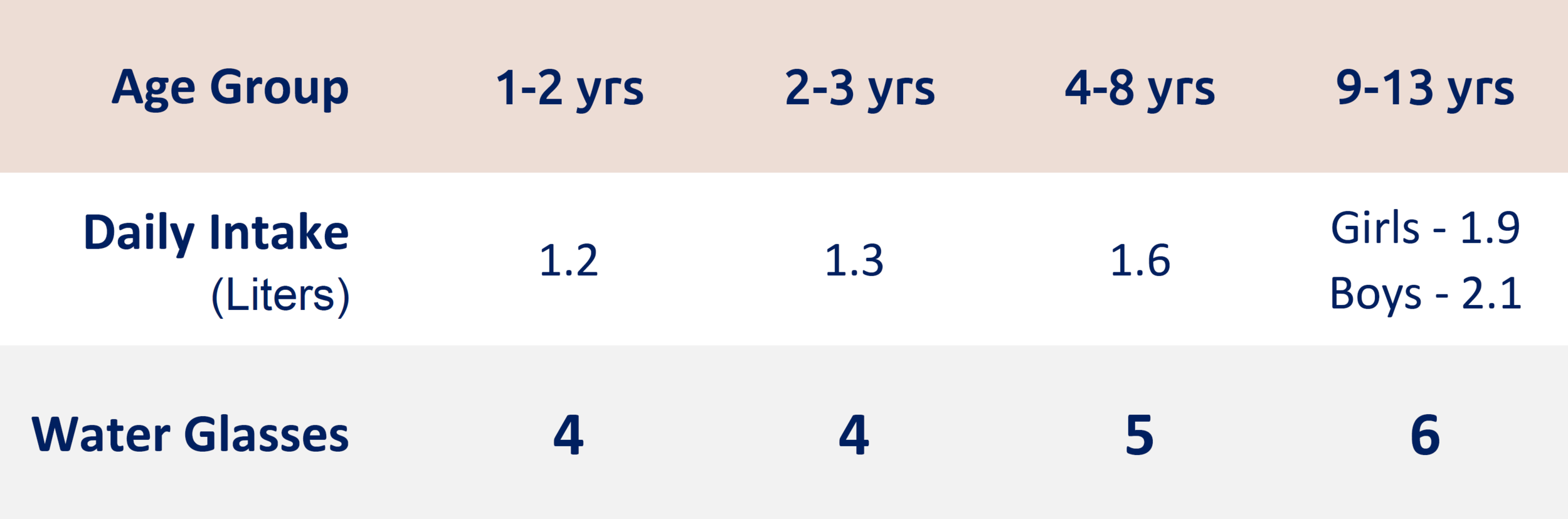
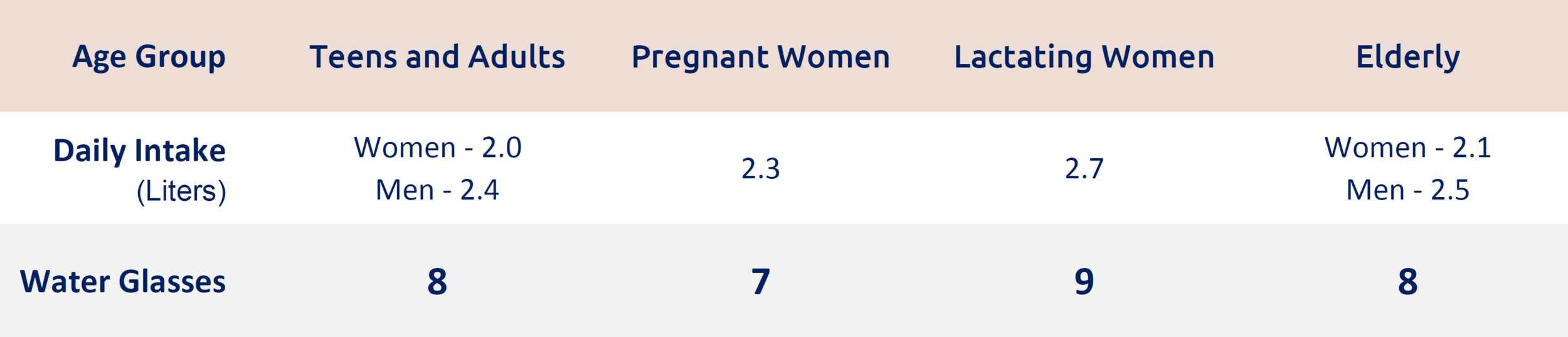
If you would like to know the minimum daily recommendation regarding how much water you should drink, please check it below.
However, bear in mind that this could vary depending on your health needs, exercise, or the region where you live.
How Much Water Should You Drink Daily?
The Water Inside Us
The water you drink spreads throughout your body fluids. Our organs contain different amounts of water. For instance, about 85% of our blood composition is water, while the bones hold approximately 22%.
Our body is responsible for maintaining the balance between water intake and output as well as the balance of electrolytes. Our kidneys play an important role here.
The water you drink falls into your stomach, where part of it already finds its way to the blood circulation (reaching every part of your body). However, most of the water will be absorbed in the small intestine, penetrating the small intestine membrane and falling into the bloodstream. Your blood is about 85% water. Through the blood, the water is capable of reaching and nourishing all cells of the body.
The excess water leaves the body together with what can no longer serve us. Here is when our kidneys play their role, responsible for filtering the water together with the waste from our cells.
The filtered product goes back to the circulation while the residual part is excreted through the urine.
Water is an essential fuel for our bodies. As a car needs fuel to work, our body needs water to perform healthily. Still, although it may sound obvious, let us make it clear once again: the quality of the water you drink as well as your diet influence the quality of the water in your blood. We will discuss in detail the quality of water later in this article.
Water Absorption And How You Should Drink It
Drinking water first thing in the morning
If you drink water on an empty stomach, it is likely to be absorbed faster than if your stomach were full. The absorption of water is slower if you have eaten before drinking it. The idea is to drink your first cup of water when you wake up, before breakfast; so you start your day hydrating your body. Squeezing a lemon into the water has been shown to add even more health benefits.
Drinking it slowly
Your intestine can not process a huge amount of water at the same time. Therefore, if you drink water slowly throughout the day, you will be better hydrated than if you drink a lot at once.

Myths About Water
These are some of the most common myths regarding water.
You are only dehydrated when your mouth is dry
This is not true. In fact, when you feel thirsty, it is because you are already dehydrated. We should educate ourselves to drink water when we are not feeling like drinking water. If you wait for your body to signal you need water (making you feel thirsty), it means there is not enough water left.
You can substitute water for juice, coffee, or tea
Water is water. It is the fuel your body needs to perform. You can not replace it. If you do not like to drink water alone, you can always add lemon or mint leaves to it, for example.
In conclusion, creating a habit of drinking water is the best you can do to avoid being dehydrated. Some ideas like drinking a cup of water every day when you wake up, having a bottle of water on your desk all the time, and slowly increasing the amount of water you drink a day can help you to build a habit of drinking enough water every day. That is a rewarding journey you can only benefit from.
The Quality of Water Matters
Water must be rich in minerals. If you drink water without minerals, you are drinking dead water. We will explain more about it later when we speak of the properties drinking water should have. For now, keep in mind that good drinking water must contain minerals.
Doctor Alan Gaby advises his patients to use bottled spring water or filtered water for drinking and cooking. This is because tap water in the USA may contain a significant amount of Chlorine and fluoride (if not aluminum and lead). In Europe, this may not be a big issue. However, in some regions, water is known as "hard water," containing (along with other minerals) a great amount of calcium. Let us make it clear that good water contains minerals. However, the number of minerals and which minerals are there will determine the quality and taste of water.
Dr. Lair Ribeiro advises his patients to drink neither distilled water nor water from reverse osmosis. Distilled water is water that has been purified using a method called distillation. Distillation gets rid of contaminants but also removes healthy minerals like calcium, magnesium, among others. You can always check the bottle of your water or your water company's website to study the water you are drinking. Some water bottle companies reintroduce the minerals after the process of distillation or evaporation.
Springwater is the most advisable water to drink. It tastes much better and contains different types of natural minerals. Springwater is harvested from a natural spring. The origin is underground, where the water flows upward to the earth's surface. Different from distilled water, springwater has a beneficial level of minerals naturally. Besides, it is bottled at the spring.
Common good minerals found in spring water are calcium, sodium, magnesium, and potassium. The amount of these or other minerals included is generally not very high.
Water Standards of Identity according to the Institute One World. One Standard (SQF) and The International Bottled Water Association (IBWA) in 2020.
Purified & Distilled Water - Water produced by distillation, deionization, reverse osmosis, or similar. It is called distilled water if it was made by distillation or deionized water if it was produced by deionization.
Spring Water - derived from an underground formation. The water flows naturally to the earth's surface. Spring water can only be collected at the spring or through a borehole tapping the subterranean formation feeding the spring.
Mineral Water - Bottled water containing not less than 250 parts per million total dissolved solids. Natural. No minerals are added to the water.
Sparkling Bottled Water - Contains carbon dioxide in the same quantity as when it emerged from the source.
Artesian water/Artesian Well Water - Water from a well tapping a subterranean layer of rock or sand (a confined aquifer).
Well Water - Water originates from a hole constructed to reach an underground layer of water-bearing permeable rock.
Hard Water and Total Dissolved Solids (TDS)
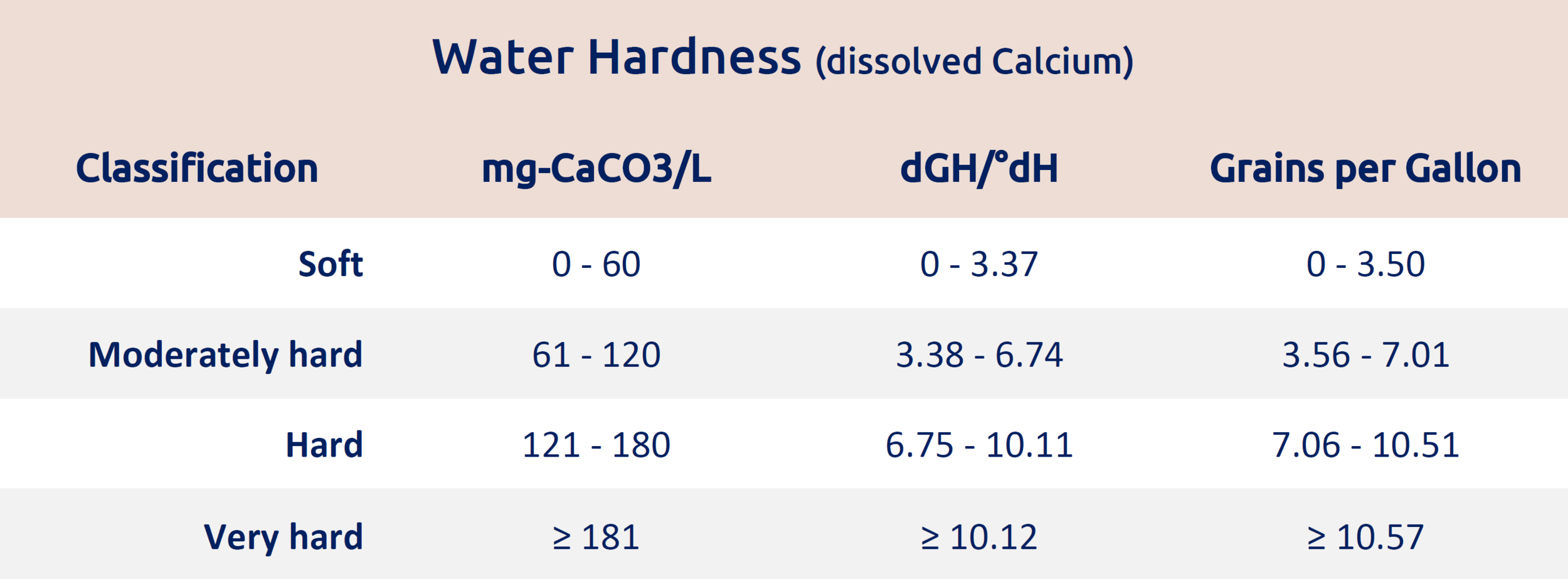
Hard water usually refers to the amount of dissolved calcium in the water in milligrams per liter. Hard water contains a high concentration of calcium and magnesium ions. However, the test to identify hard water uses calcium (CaCO3) as a reference. The more calcium (CaCO3) we have, the harder that water is.
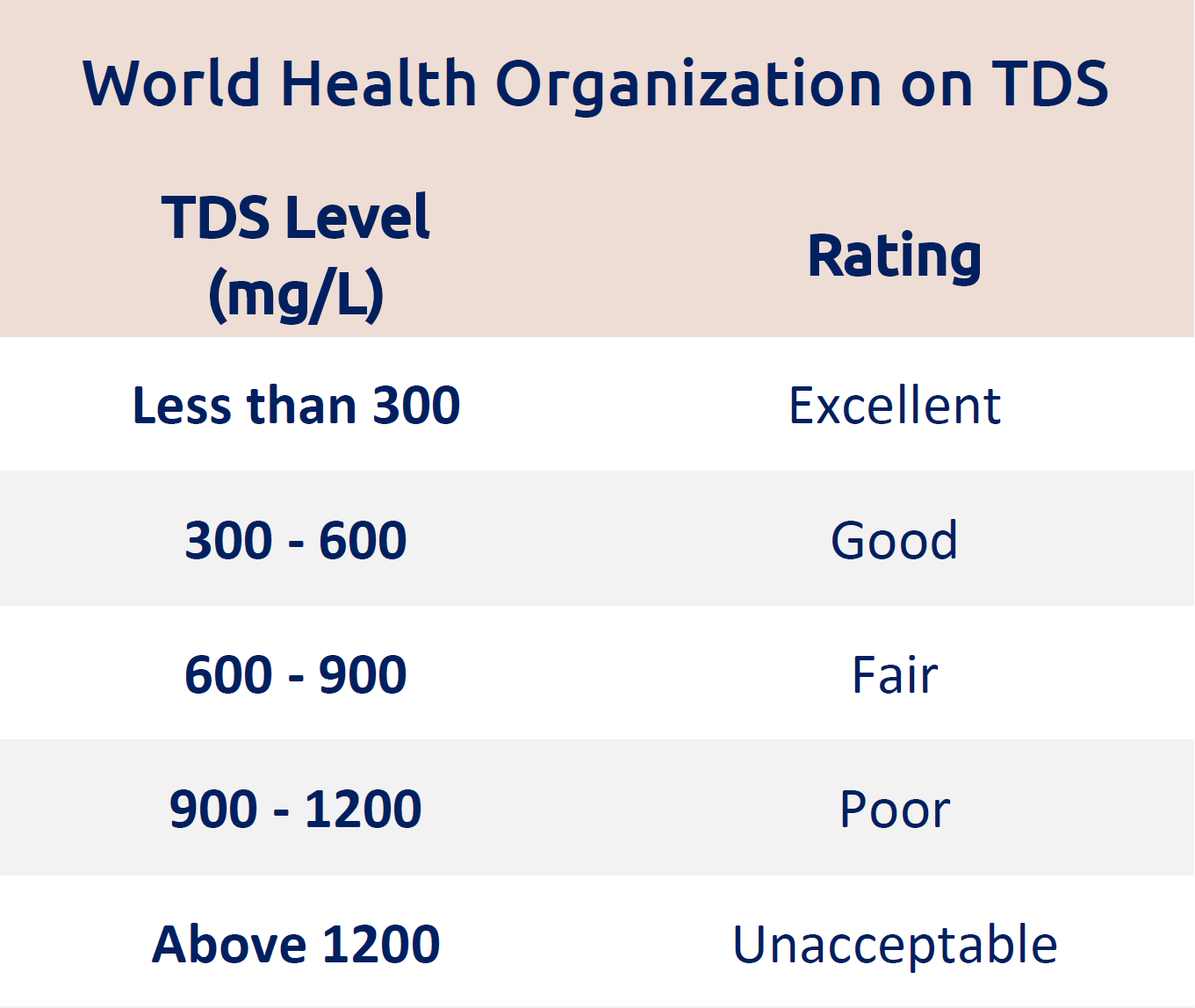
TDS, on the other hand, refers to the total dissolved solids in the water. In other words, the other minerals (including calcium). Water can be low in TDS and still be considered hard.
Springwater will not be hard, and the TDS is diversified with a healthy amount of various minerals. Although some studies affirm that hard water (or water very high in TDS) could supplement minerals in some individuals, many doctors do not support this claim. That could be good for those undertaking extreme physical exercise and in some specific situations. However, it could be harmful to people with kidney diseases, for instance.
Another example relates to the TDS. Although for most people water containing a good amount of TDS is crucial, people living with kidney problems can benefit from a water low in TDS. Each person's circumstances are different. You should always talk to your doctor to find out the best option for you.
We need minerals in a small amount daily. We need macrominerals, like calcium, magnesium, and sodium in amounts bigger than 100mg per day. The amount of trace minerals like selenium, iron, and zinc is less than 15mg a day. This explains the importance of a healthy concentration of minerals in the water we drink.
Bioavailability also plays a critical role here. It shows that your body does not process 100% of nutrients in the food or drinks you take. Depending on the source, the availability of a nutrient will be higher or lower. The type of food from which you get your minerals matters. Moreover, you do not get minerals only from water. Whatever your organism does not absorb can be deposited in various parts of your body, which is the problem. This is another reason drinking hard water for an extended period may not be a good idea.
Another fact to take into consideration is the interaction between minerals. For example, a high amount of calcium can inhibit the absorption of iron. Therefore, if you know you have a low iron level, drinking hard water every day may not be beneficial.
Remember: The dose makes the poison.
Anything you take in a more significant concentration than your body needs can become toxic. And anything taken in great concentration for an extended time can significantly impact your health.
We should all have a daily balanced diet, getting our nutrients from various types of food. Moreover, you should drink water rich in multiple types of minerals daily (not only calcium).
Please, check the tables below to see the classification of soft, moderately hard, and hard water. The second table shows the rating for TDS according to the World Health Organization.
Most Common Minerals Significance
Magnesium - We need magnesium for several biochemical reactions in our bodies. One of its primary roles, together with potassium, is to help our hearts function correctly. Magnesium is essential for keeping our heart rhythm regular. Besides, it supports a healthy immune system. We need from 220 to 410mg of magnesium every day. Magnesium is also vital for the health of our bones.
Potassium - As mentioned above, potassium is essential for the health of our hearts. It is also vital for the kidneys and muscles.
Calcium - It is crucial for the health of our bones and teeth. It is also present in various body functions, including the functioning of nerves and muscle tissues.
Sodium - Plays an important role in regulating our fluids and blood pressure.

Water Properties to Look For
Beyond an adequate amount of minerals, what are the properties drinking water should have?
If you have read the article this far, perhaps you want to buy a filter or research your spring bottled water company even more in-depth. You can certainly do it. Here are the five principal properties to pay attention to.
Purity
By far, purity is the most crucial property to check for your drinking water. It is a must-have. It means the water you drink should be free from dirt, chemical, and biological contaminants. It must be clear and clean.
High Hydrogen Potential (pH)
The pH is used to specify the acidity or basicity of any solution. The pH is a logarithmic scale (with a base of 10). In other words, because it is a logarithmic scale (where we have an exponential in a base 10), we can calculate that a pH of 2,5 compared to a pH of 7,4 gives us a difference up to 100 thousand times.
A solution with a pH of 7 is considered neutral. Below this number, it is acidic. Above this number, the pH is basic.
The pH of our blood is around 7.4, and the body keeps it there with great precision: between 7.35 and 7.45, by means of bicarbonate, the lungs, and the kidneys. No water you drink changes it.
You may be asking: then what does "alkaline water" do? Honestly, less than it is sold for. Water with a pH of 9 meets a stomach at pH 1.5 to 2 and is neutralized within minutes; the small "alkaline tide" of bicarbonate that the stomach releases into the blood while it makes acid happens after every meal, alkaline water or not, and the kidneys even it out within the hour. Your cells are not alkalized by what you drink.
What does hold, and what the better studies measure, is this: naturally mineral water (calcium, magnesium, bicarbonate) is slightly alkaline because of those minerals, and it is the minerals, not the pH, that do you good. Bicarbonate-rich waters ease digestion and reduce the acid load the kidneys have to excrete; magnesium and calcium in water are well absorbed. So the practical rule survives: prefer water with a natural mineral content and a pH near neutral or a little above, and be suspicious of machines that promise health by raising a number.

A note about sodas
Although the topic of this article is water, we found it important to bring this to your attention.
The pH of a cola is around 2.5, close to that of vinegar. It is tempting to conclude that drinking it acidifies the blood, but it does not: the blood is held between 7.35 and 7.45 by bicarbonate, by the lungs, and by the kidneys, and no drink moves it. If it did, you would be in an emergency room, not in a café.
The real cost of soda is paid elsewhere. First, by the kidneys, which excrete the acid load from the phosphoric acid and from the sugar’s metabolism; over years, regular cola drinking is associated with kidney stones and with a slow loss of calcium from the bones. Second, by the teeth, which the acid erodes directly, before any buffering can help. Third, and above all, by the sugar: a single can carries about nine teaspoons, absorbed in minutes, with the insulin spike and the liver load that come with it; sugar-sweetened drinks are among the best-documented dietary contributors to weight gain, fatty liver, and type 2 diabetes. Diet versions remove the sugar but keep the acid, and they keep the habit of sweetness.
In short: the body will always defend the pH of your blood, but it defends it with your bones, your kidneys, and your teeth.
Negative Oxidation Potential (OP)
The OP should be negative. It means the water is antioxidant. It is not easy to have this kind of information on the bottle. However, remember that the high pH is inversely proportional to the water OP.
Good Conductivity
Nothing new here. We will explain the concept of dead water now. Dead water is water with no minerals in it, and the conductivity of dead water is low. The water is alive when it has a good and diversified amount of minerals. The minerals are related to the conductivity of the water.
Low Surface Tension
The lower the surface tension, the better. The surface tension of the water is characterized by the number of molecules together. For instance, we can have a cluster of 11 molecules or a cluster of 6 molecules of water. The one with six molecules is much more malleable, with lower surface tension. It makes the water more hydrating.
Potential Renal Acid Load (PRAL)
PRAL is the measurement of the amount of acid a diet produces in the body. It is measured in milliequivalents of acid a day.
A high PRAL shows more acid as a product from the food. Negative PRAL shows the opposite, indicating that a basic pH is produced from food.
The PRAL of your water should be negative. The more negative it is, the healthier.
A note: An acidic food does not necessarily have a positive PRAL. It is important not to misunderstand the acid in food and the acid PRAL measure. For example, you may think lemon has a positive PRAL, but it does not! PRAL is something different, measuring the acidity of the metabolites in the food (not the food itself).

Main Water Contaminants
Check the ingredients of your water bottle and the characteristics of the water where you live.
Avoid drinking or cooking with water containing the following:
Chlorine - It is added to tap water as a disinfectant, and it has saved more lives than almost any other public measure, because it kills cholera and typhoid. The concern is not the chlorine itself but its by-products: when chlorine reacts with organic matter in the water, it forms trihalomethanes and related compounds, and long-term exposure to higher levels of these has been associated, in epidemiological studies, with a modest increase in bladder cancer risk. A simple carbon filter removes most of them, and so does letting water stand in an open jug. That is the sensible middle: disinfected water, filtered at home.
Fluoride - At the low doses added to tap water, fluoride hardens tooth enamel; that effect is real and well measured. The harm appears with dose: chronic intake well above those levels (as in regions with naturally high fluoride in groundwater) causes dental fluorosis and, at higher levels still, skeletal fluorosis, where bones become denser but more brittle. If your water is high in natural fluoride, or if you prefer to avoid it, reverse osmosis or activated alumina filters remove it; a carbon filter does not.
Aluminum - It is a toxic metal. It is believed to be one of those responsible for the development of osteoporosis and Alzheimer’s disease.
Lead - This is a toxin widely used as an industrial metal. Just a bit of lead in the water can cause muscle aches, fatigue, irritability, joint pains, and lack of concentration.
In a Nutshell
Water should be free from any contaminant, with a good diversified amount of minerals, a pH at least close to that of our blood. We should all create the habit of drinking the necessary amount daily (which may vary depending on your age, gender, and some specific circumstances such as exercise, age, health conditions, or gender).
Water is crucial for every single part of our organism and is present in all our organs. Water has been proven to make a positive difference in different health conditions and is essential to keep us healthy.
The way you drink water and the quality of the water you drink matter.
Sources
Agre, Peter. Aquaporins
Batmanghelidj, F. Water cures: Drugs Kill - How water cured incurable diseases
Batmanghelidj, F. Your body's many cries for water
Batmanghelidj, F. You’re not sick, you’re thirsty!
Emoto, Masaru. The true power of water
Costanzo S, Linda. Physiology
Hall E, John. Guyton and Hall textbook of Medical Physiology
“Dehydration Headache and Migraine,” https://www.migrainestrong.com/dehydration-headache-and-migraine/
“Substance P in Fibromyalgia, High Levels lead to Excess Pain,” https://fibromyalgiaresources.com/substance-p-in-fibromyalgia/
Hydration for Health. “How much water does your body require, "https://www.hydrationforhealth.com/en/
The Kidney Dietitian. “What is PRAL & How does it affect kidneys,” https://www.thekidneydietitian.org/pral/
Essential water quality report (New York: Essentia, 2020)
Bruvold WH, Ongerth HJ, “Taste quality of mineralized water. ”Journal of the American Water Works Association".
International Organization for Standardization, "Water quality - determination of electrical conductivity”.
World Health Organization, “Guidelines for drinking-water quality. Health criteria and other supporting information”.
This content is for informational and educational purposes only. Please see our Disclaimer and Terms and Conditions